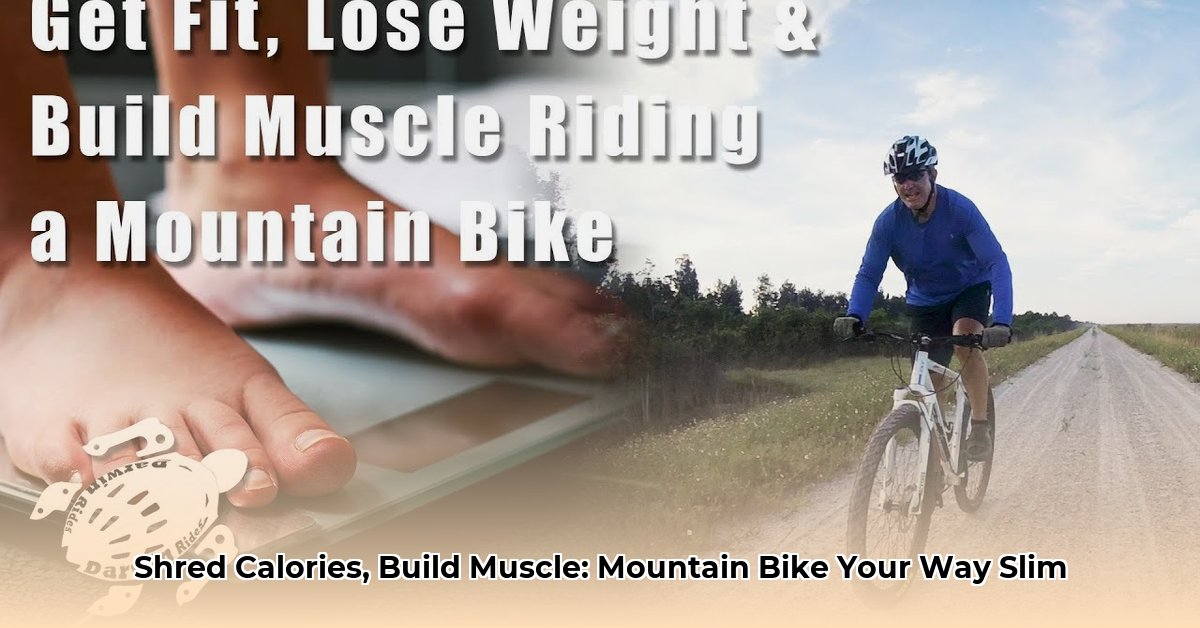
Tired of the treadmill? Imagine shedding pounds while exploring breathtaking trails, feeling the exhilaration of the wind in your hair, and conquering challenging terrain. This isn't a fantasy; it's the reality of mountain biking for weight loss. This guide reveals how to transform this exhilarating sport into your personal weight-loss secret weapon, from choosing your gear and trails to fueling your body and maintaining long-term motivation. We'll share inspiring stories and expert advice to help you achieve your goals safely and effectively. Get ready to pedal your way to a healthier, happier you!
The Science of Trailblazing: How Mountain Biking Fuels Weight Loss
Let's explore the science behind mountain biking's weight loss benefits. An hour of mountain biking can burn a significant number of calories—estimates range from 600 to 800, depending on intensity and terrain 1. That's a serious metabolic boost! The varying terrain naturally incorporates high-intensity interval training (HIIT), maximizing calorie burn even after your ride. This intense-then-rest approach is incredibly effective at boosting your metabolism, leading to more calorie burning throughout the day. It's not just weight loss; it's about building a stronger, leaner, more efficient body – improving endurance, muscle definition, and overall fitness. Isn’t that a compelling reason to hit the trails?
Getting Started: Your First Adventure on Two Wheels
Embarking on your mountain biking weight loss journey doesn't require expert-level skills. Begin with shorter, easier trails. Listen to your body; it’s a marathon, not a sprint. Gradually increase duration and difficulty as your fitness improves. Consistency is key; regular, shorter rides are more effective than sporadic intense ones.
Essential Gear:
- Bike: A well-fitting mountain bike is crucial. Consider renting initially to find the right size and style.
- Helmet: Essential for safety.
- Attire: Comfortable, moisture-wicking clothing is a must.
- Footwear: Supportive cycling shoes or sturdy athletic shoes offer optimal grip and comfort.
- Hydration: Carry plenty of water; dehydration hinders performance and recovery.
Trail Selection: Start with beginner-friendly trails with smooth surfaces and gentle inclines. As you progress, gradually tackle more challenging terrain. Remember, progression is key.
Building Your Routine: Consistency Breeds Results
View your mountain biking weight loss journey as a long-term commitment to your well-being. Aim for at least two rides a week initially. Gradually increase frequency and intensity as your fitness improves. Rest is crucial; your body needs time to recover and rebuild. Overtraining can lead to injury and burnout.
A Sample Weekly Plan (Beginner):
- Monday: Rest.
- Tuesday: 30-minute ride on an easy, flat trail.
- Wednesday: Rest or light cross-training (walking, yoga).
- Thursday: 45-minute ride on a slightly more challenging trail.
- Friday: Rest.
- Saturday: 60-minute ride on a moderately challenging trail.
- Sunday: Rest or light activity.
Incorporate Strength Training: Adding 2-3 strength training sessions per week targeting major muscle groups (legs, core, arms) significantly boosts metabolism and enhances biking performance. Even bodyweight exercises are incredibly effective.
Fueling Your Ride: Nutrition and Mental Well-being
Proper nutrition is paramount. Fuel your body with a balanced diet rich in fruits, vegetables, lean protein, and whole grains. Limit processed foods and sugary drinks. Stay consistently hydrated, especially before, during, and after rides. Adequate hydration is crucial for optimal performance and recovery.
Mental well-being is equally important. Mountain biking can be remarkably therapeutic, reducing stress and improving mood. Supplement this with other stress-management techniques like meditation or yoga to enhance your overall well-being. A healthy mind supports a healthy body.
Addressing Potential Risks: Safety First
While mountain biking is rewarding, understanding and mitigating risks is essential.
| Risk Factor | Mitigation Strategies |
|---|---|
| Injuries (falls, etc.) | Wear protective gear (helmet, elbow, knee pads), start on beginner trails, gradually increase difficulty, and ride within your skill level. |
| Overtraining | Plan rest days, listen to your body's signals, and avoid intense training every day. Allow sufficient time for your body to recover. |
| Dehydration | Carry ample water, drink frequently during rides, especially on hot days. |
Maintaining Motivation: The Path to Long-Term Success
Consistency is key. Set realistic, achievable goals. Track your progress – even small victories deserve celebration! Consider joining a cycling club for camaraderie and support, or invite a friend to join you. Remember, it's a journey, not a race. Celebrate your wins, learn from setbacks, and enjoy the process.